

The recent announcement of UK horse racing not taking place on specific dates has raised questions and concerns among fans and industry stakeholders alike. The world of horse racing is not just a beloved pastime; it is deeply entrenched in British culture and economy. Events that are designated as «not on» can have far-reaching consequences, affecting the livelihood of participants, the dynamics of the betting industry, and the overall excitement surrounding the sport. For more information on the impacts of such events, you can visit UK Horse Racing Not on GamStop https://www.cosc-cumbria.org.uk/.
The Importance of Scheduling in Horse Racing
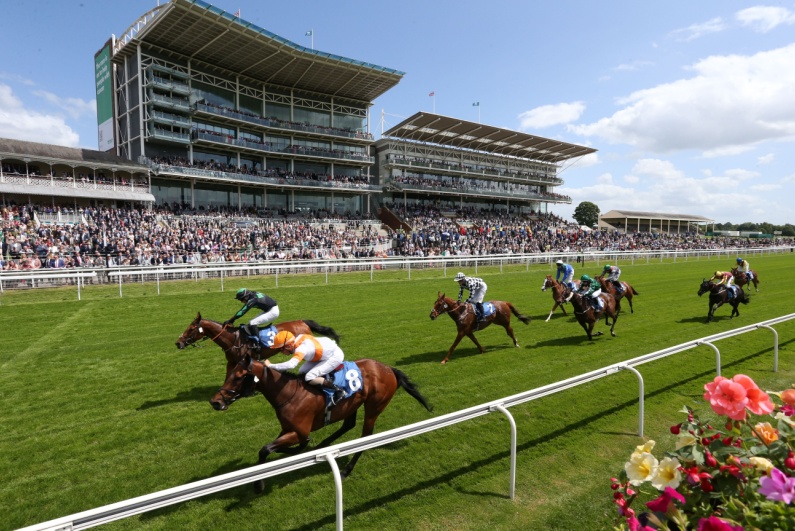
Scheduling is crucial in horse racing, where thousands anticipate race days with excitement. The calendar is carefully curated, with major events such as the Cheltenham Festival, Grand National, and Royal Ascot serving as pinnacles of the racing season. When races are canceled or designated as «not on,» it disrupts not only the schedule but also the emotional investment of fans and the financial structure built around these events.
Economic Implications
Horse racing generates significant revenue for the UK economy. According to reports, the racing industry contributes over £3.5 billion annually to the UK economy, supporting over 80,000 jobs directly. The cancellation of a significant race day can lead to a decrease in betting income, impacting both bookmakers and local businesses that thrive on event days, such as hotels, restaurants, and transport services.
Impact on the Betting Industry
The betting industry is inherently linked to horse racing, and when races are not held, the implications are immediate. Bookmakers rely heavily on income from horse racing bets, and a lack of events can lead to substantial financial losses. For punters, it also means fewer opportunities to place bets, leading to frustration and a potential decline in customer engagement. The ripple effect of racing events being «not on» can extend far beyond immediate financial concerns to long-term loyalty and participation in the betting scene.
Community Aspect of Horse Racing
Beyond the economic implications, horse racing serves an essential social purpose. Many communities gather at racecourses, fostering a sense of camaraderie among attendees. Spectators, trainers, jockeys, and owners often form long-lasting relationships based around their shared passion for the sport. Consequently, when events are not on, it diminishes community cohesion and the collective joy derived from attending races.
Racing Alternatives During ‘Not On’ Periods
While races being «not on» can create challenges, the racing industry has adapted by promoting alternative events. For instance, some courses may host charity events, educational workshops, or training sessions aimed at keeping horses active and engaging the public. Virtual racing has also gained popularity as a way to maintain interest when live events are unavailable. These innovations can help sustain the sport’s popularity during uncertain times.
Future Considerations for UK Horse Racing
Moving forward, the sport must evaluate its approach to scheduling and risk management. By conducting thorough assessments of planned events and considering external factors that could lead to cancellations, rac

ing authorities can better prepare for unforeseen circumstances. Strengthening communication channels between stakeholders will also be vital to mitigate the effects of “not on” events.
Conclusion
The designation of UK horse racing events as «not on» serves as a reminder of the fragility of the racing calendar and its intertwined economic, social, and emotional components. By recognizing this interconnectedness, stakeholders can work together to create a more robust framework that supports the sport and its participants, ensuring the legacy of horse racing remains vibrant for future generations.